
The short answer
Dryers and dust collectors together account for 31% of the combustible dust incidents Dust Safety Science recorded for 2023: dryers 18%, dust collectors 13%. A fire in a collector may not have started in the collector at all. It can start upstream, as a spark or an ember in a mill, a conveyor, a dryer or a pneumatic line, and the airflow carries it to where the dust is.
Walk through any plant that dries, mills, or conveys a dry product and ask where the heat is. Then ask where the dust is. The answer to both questions tends to be the same two machines.
Dryers and dust collectors.
What the incident data says
Dust Safety Science tracks combustible dust fires and explosions worldwide. For 2023 it recorded 263 fires, 53 explosions, 94 injuries and 62 fatalities. When it looked at the equipment involved, storage silos came first at 36% of incidents. Dryers were next at 18%. Dust collectors followed at 13%. [1]
Add the last two together and you have 31% of the year’s incidents in two kinds of equipment. These are worldwide figures, across every industry, so they say nothing about any one plant. They do say where the problem tends to live.
The same source shows who gets hurt. Agriculture and food processing accounted for 62% of the injuries and 22% of the fatalities it recorded in 2023. [1]
Why these two machines
A dryer puts heat, airflow and fine product in one place. Anything that slips through with the product, a bit of metal, a hot particle, a smouldering fragment from upstream, has fuel waiting for it. A dust collector pulls dust from many points in a plant and concentrates it. It also receives whatever the airstream carries in with the dust.
That is the point plant teams often miss. A fire in a collector may not have started in the collector at all. It can start upstream, as a spark or an ember in a mill, a conveyor, a dryer, a pneumatic line, and the airflow carries it to where the dust is.
Detection by the clock
Fire protection is a race against time, and the stages are not equal. Firefly, the detection and suppression technology RDi supplies, lays out the typical timing in its product literature. [2]
- Spark detection: a detector in the duct or conveyor sees a hot particle in the process flow, about 100 to 300 milliseconds, before a fire exists.
- Extinguishing the spark: once detected, the particle is extinguished within milliseconds, before it can become a fire or dust explosion.
- Conventional flame detection with suppression: typically 40 seconds or more.
- Sprinklers: in the range of 4 to 8 minutes.
Those are the manufacturer’s own comparison figures, not a promise for any particular installation. They are useful because they show the order of the stages. Spark detection works before there is a fire. Everything else waits for one.
Keep two ideas apart. Spark detection and extinguishing reacts in milliseconds and stops the ignition source in the process flow. A water cannon is a different layer. It covers an area such as a bunker or storage zone: once a fire is detected in its zone it aims and puts water on the fire in about 10 to 15 seconds. One prevents. The other contains. [2]
Where should detection sit?
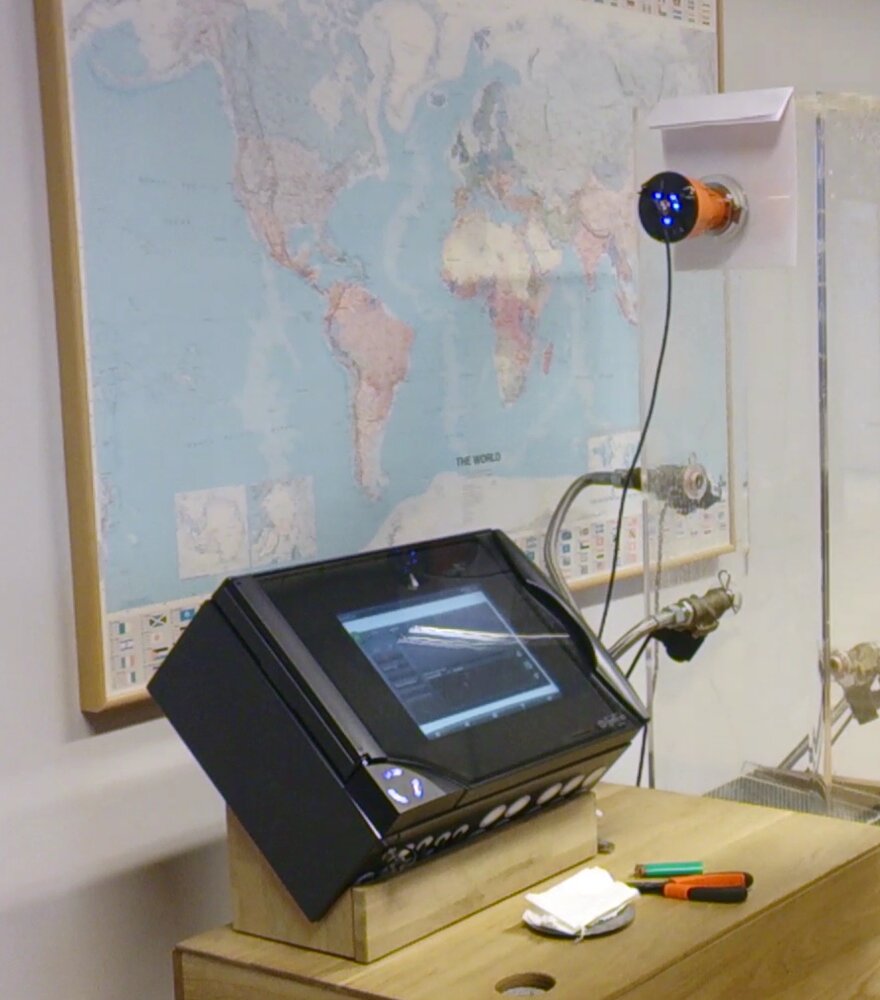
The useful question is where in the process a hot particle can first enter, and where it first meets enough fuel to matter. For a plant with a dryer feeding a conveyor feeding a collector, there may be several answers. Typically, a detector placed ahead of the collector lets the system deal with the spark before it reaches the dust. A detector placed ahead of the dryer addresses what arrives with the product.
This is also where the standards come in. NFPA 660, the consolidated Standard for Combustible Dusts and Particulate Solids, was issued on November 16, 2024 and took effect on December 6, 2024. The Chemical Safety Board describes it as the successor to NFPA 61, the food and agricultural standard. [3] A dust hazard analysis is how a plant works through these questions, process step by process step. The standard sets the framework. The engineering is in the details of each process.
Five questions worth asking
These apply to any dry-process plant. They are questions, not recommendations for any specific site.
- Which dryers and collectors on our lines have the most product, dust or heat passing through them?
- If a hot particle starts upstream, what would we know and when?
- Does detection sit before the dryer or collector, or only inside it?
- What happens to the process when something is detected? Does it stop, divert, or keep running?
- When did we last review our dust hazard analysis against NFPA 660?
The takeaway
Dryers and dust collectors are not unusual machines. They are ordinary, necessary equipment that sits where heat, dust and airflow meet. The data says that is where a meaningful share of incidents happen. The fix is rarely one device. It is a layered plan, with detection early enough that the first stage happens before there is a fire.
RDi works with plants on exactly this layering, using Firefly spark detection and extinguishing, and for bunker and storage areas, the Firefly automated water cannon. For food plants specifically, see our food processing solutions, and for open areas such as bunkers, the automated water cannon.
Common questions
What does the incident data say?
Dust Safety Science recorded 263 fires, 53 explosions, 94 injuries and 62 fatalities for 2023. Storage silos came first at 36% of incidents. Dryers were next at 18%. Dust collectors followed at 13%. These are worldwide figures, across every industry.
Why dryers and dust collectors?
A dryer puts heat, airflow and fine product in one place. A dust collector pulls dust from many points in a plant and concentrates it. It also receives whatever the airstream carries in with the dust.
How fast is spark detection compared with sprinklers?
Firefly’s product literature gives these typical figures: spark detection in about 100 to 300 milliseconds, extinguishing the spark within milliseconds, conventional flame detection with suppression at 40 seconds or more, and sprinklers in the range of 4 to 8 minutes. Those are the manufacturer’s own comparison figures, not a promise for any particular installation.
Where should detection sit?
Typically, a detector placed ahead of the collector lets the system deal with the spark before it reaches the dust. A detector placed ahead of the dryer addresses what arrives with the product.
What does NFPA 660 change?
NFPA 660, the consolidated Standard for Combustible Dusts and Particulate Solids, was issued on November 16, 2024 and took effect on December 6, 2024. The Chemical Safety Board describes it as the successor to NFPA 61.
Have a question about your own process? Ask an engineer below, or call 507.587.8086.
Sources
- Dust Safety Science, Combustible Dust Incident Reporting, 2023 totals, equipment and industry shares. https://dustsafetyscience.com/?p=17604 (read 11/6/2026). Worldwide incident counts.
- Firefly, Spark Detection & Extinguishing brochure (timing chart, principle of operation) and Automated Water Cannon brochure (read 11/6/2026).
- U.S. Chemical Safety and Hazard Investigation Board, Board Action Report, Notation Item 2025-31 (NFPA 660 issued 11/16/2024, effective 12/6/2024, successor to NFPA 61). https://www.csb.gov/assets/Record/Board_Action_Report_-_Notation_Item_2025-31.pdf (read 11/6/2026).